The Foundation of Carry: How Quality Materials Define EDC Gun Belt Performance
Every person who commits to everyday carry understands that a firearm is only as effective as the system used to support it. While a high-quality holster and a reliable handgun are frequently discussed, the belt is often the most underrated component of the setup. It serves as the literal foundation of your self-defense equipment, bridging the gap between your body and your gear. When you choose a belt made from substandard materials, you are not just compromising on comfort; you are potentially compromising your safety and your ability to respond effectively in a crisis. Understanding how specific materials impact the performance of an everyday EDC Gun Belt – Nexbelt is essential for anyone looking to optimize their personal defense kit.
The Role of Structural Integrity in Weight Distribution
The primary job of a dedicated gun belt is to support the weight of a firearm and additional accessories without sagging or twisting. A standard department store belt is designed to hold up a pair of trousers, not to bear the localized load of a two-pound object. Quality materials like reinforced leather or high-tensile nylon webbing provide the vertical rigidity necessary to distribute that weight evenly around the waist. When the weight is distributed properly, the firearm feels lighter and stays in a consistent position.
If a belt lacks this structural integrity, the holster will naturally pull the belt outward and downward. This creates a leverage point that can cause physical discomfort over a long day, often leading to lower back pain or hip strain. By using high-grade materials like double-layered scuba webbing or premium steerhide, manufacturers ensure that the belt maintains its circular shape even under the heavy load of a full-sized pistol and spare magazines.
Durability and Resistance to Environmental Stress
Everyday carry gear is subjected to a surprising amount of abuse. From the friction of the holster clips to the moisture from body sweat and environmental humidity, a belt must withstand constant stressors. This is where the quality of the raw materials becomes evident over time. Genuine full-grain leather, for instance, has a natural resilience that allows it to mold to the wearer’s body while maintaining its strength. Cheaper “genuine leather” products are often made from bonded scraps that will peel, crack, and lose their rigidity within months of regular use.
Read More : How To Choose The Right Hair Spa For Your Hair Type And Concerns?
In the realm of synthetic materials, the quality of the weave and the type of resin used for stiffening make a massive difference. High-quality nylon is often heat-sealed and treated to be abrasion-resistant. This prevents the edges from fraying where the holster or magazine pouches rub against the fabric.
The Impact of Hardware and Closure Systems
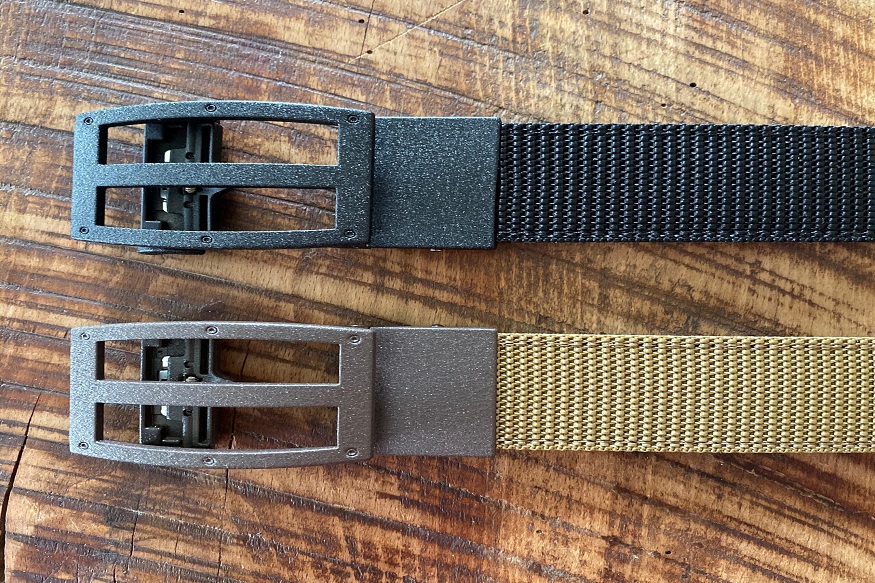
A belt is only as strong as its weakest link, which is almost always the buckle or closure system. In a defensive situation, the last thing a user needs is for their belt to come undone or for the buckle to fail under tension. Quality EDC belts utilize hardware made from aircraft-grade aluminum or heavy-duty steel. These materials are chosen for their high strength-to-weight ratio and their ability to withstand hundreds of pounds of force without deforming.
Many modern tactical belts use quick-release buckles that are rated for extreme loads. The precision machining of these components ensures that the locking mechanism engages securely every time. On the other hand, cheap cast-metal buckles found on fashion belts are prone to snapping under sudden stress. Even the thread used to attach the buckle to the belt strap matters. High-performance belts use heavy-duty bonded nylon thread and reinforced stitching patterns, such as box-and-x stitches, to ensure that the hardware remains permanently anchored to the strap regardless of how much tension is applied.
Long-Term Value and Sustainability
While a high-quality EDC belt typically carries a higher initial price tag, the cost per use is significantly lower than that of cheap alternatives. A budget belt that needs to be replaced every six months is far more expensive over a five-year period than a single professional-grade belt that lasts a decade. Beyond the financial aspect, there is the matter of trust. Relying on a piece of equipment that is slowly degrading creates a liability.
Read More : Winter Golf Fashion 2025: Style Meets Performance in Cold Weather Collections
When you invest in a belt made from top-tier materials, you are purchasing a piece of life-saving equipment. You are ensuring that your holster stays secure, your back remains healthy, and your concealment remains effective. The performance of your EDC system is a chain, and the belt is the link that connects you to your tools. By prioritizing quality materials, you ensure that this link is the strongest part of your daily preparation.