Investment Pieces: Why Gold Jewellery Makes a Meaningful Family Heirloom
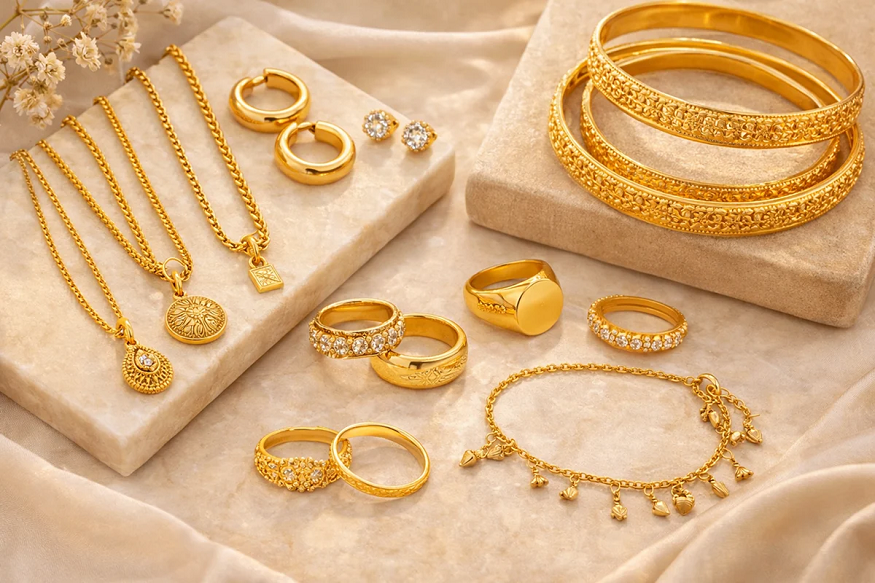
Most of what we buy doesn’t last. Clothes wear out, gadgets become obsolete, trends fade within a season or two. Jewellery, and gold jewellery in particular, is one of the few categories of purchase that can genuinely outlive the person who bought it, provided it’s chosen with that in mind from the start. If you’ve ever wondered what separates a piece bought to be enjoyed for a few years from one destined to become a family heirloom, the answer usually comes down to a handful of deliberate choices.
What Actually Makes a Piece “An Investment”
The word “investment” gets used loosely in jewellery marketing, so it’s worth being precise about what it actually means here. This isn’t about jewellery as a financial asset in the way you’d think about stocks or property, though gold does hold intrinsic material value that costume jewellery simply doesn’t. It’s about durability, timelessness, and meaning: a piece that will still look appropriate in twenty or thirty years, that’s made well enough to survive that long, and that carries a story worth passing on.
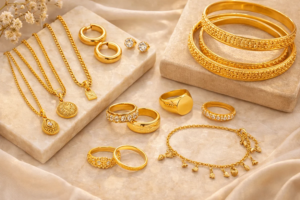
Three factors tend to separate genuine heirloom pieces from jewellery that won’t make it past a decade: the quality of the metal, the timelessness of the design, and, often overlooked, the story behind the piece. A gold jewellery collection with clear information on carat and provenance is a good place to start if you’re shopping with longevity in mind, since that transparency tends to indicate a jeweller who takes durability seriously.
Why Rarity Matters More Than You’d Think
Some gold is more scarce than others, and scarcity has a real effect on how a piece is perceived and valued over time, beyond simple market price. Welsh gold is a good example: mined in only tiny quantities from a small number of sites in Wales, much of it now largely depleted, it has become genuinely rare rather than merely marketed as exclusive. This is part of why pieces made with Welsh gold, particularly those tied to specific collections like a Welsh Royalty range, tend to be treated by owners as keepsakes rather than everyday accessories from the moment they’re bought.
When you’re thinking about what to pass down, rarity of material is worth weighing alongside design. A piece that used a genuinely limited resource has a story that simply can’t be replicated once that resource runs out, which is a meaningful thing to be able to tell the next generation who inherits it.
Timeless Design Over Trend-Driven Style
It’s tempting to buy what’s fashionable right now, but the pieces that tend to get worn, kept, and eventually passed on are usually the ones that didn’t chase a specific trend in the first place. Classic silhouettes, a simple band ring, a pendant with understated detailing, a bracelet with clean lines, age far better than anything built around a passing aesthetic.
This doesn’t mean heirloom pieces have to be plain. Motifs rooted in genuine cultural or symbolic meaning, like Celtic knotwork or heart and tree designs representing love and family, tend to have staying power precisely because they’re not tied to a particular decade’s style. When browsing rings with this in mind, it’s worth asking whether a design would look equally at home now and in thirty years’ time. If the answer is yes, you’re likely looking at something with genuine heirloom potential.
The Role of Birthstones and Personalisation
One of the easiest ways to turn a beautiful piece into a genuinely meaningful one is to tie it to a specific person, date, or milestone. Birthstone jewellery does exactly this, using the traditional gemstone associated with a birth month to create a piece that’s personal from the outset rather than generic.
Read More: Akshaya Tritiya: Why Diamonds are the New Gold for 2026
This matters more than it might first appear for heirloom purposes, because a piece tied to a specific person’s birth month or a family milestone carries a built-in story that a plain piece doesn’t. When it’s eventually passed down, that story travels with it: “this was your grandmother’s birthstone ring” is a far more powerful inheritance than an unremarkable ring with no context. A birthstones collection is worth browsing if you’re buying for a specific milestone, a christening, a significant birthday, the birth of a grandchild, where personal meaning matters as much as the piece itself.
Building a Piece’s Story From the Start
Heirlooms aren’t just inherited, they’re made, often quite deliberately, by the person who originally chooses and gives the piece. If you want jewellery you buy today to mean something to someone decades from now, it helps to be intentional from the outset.
Consider marking the occasion clearly, a card or note kept with the piece explaining when and why it was given goes a long way toward preserving context that would otherwise be lost. Choosing pieces with symbolic motifs, rather than purely decorative ones, also gives future owners something to hold onto beyond aesthetics. A charms collection, for instance, lends itself particularly well to this kind of storytelling, since charms are often added one at a time to mark specific events, creating a bracelet that essentially becomes a wearable timeline by the time it’s passed on.
Caring for Jewellery You Intend to Keep
An heirloom is only as good as its condition when it’s eventually handed down, so caring for a piece properly from day one matters more than it might for jewellery you expect to wear for a shorter time. Store pieces in a lined box away from other jewellery to avoid scratching, remove rings and bracelets before any manual work or exercise, and have pieces checked periodically by a jeweller, particularly if they’re worn regularly.
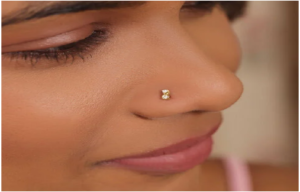
Read More: The Modern Nose Pin Diamond: Small Detail, Big Everyday Impact
This is a small amount of ongoing effort for a potentially significant payoff: a well-maintained gold piece can genuinely be worn, essentially unchanged, for fifty years or more. Poorly cared for, even the best-made piece will show its age far sooner than it should.
When to Buy With Heirloom Intent
Certain moments naturally lend themselves to buying jewellery meant to last generations: an engagement, a wedding, the birth of a child or grandchild, a significant wedding anniversary, or simply a milestone birthday. These occasions carry enough weight on their own that a piece bought to mark them tends to be treated with more care and sentiment than an impulse purchase, both by the person receiving it and, eventually, by whoever inherits it.
If you’re shopping for one of these moments, it’s worth taking a little more time than usual: reading about the design’s meaning, checking the carat and hallmark details, and thinking specifically about who might eventually own this piece after the person you’re buying it for. That shift in thinking, from “will they like this now” to “will this still mean something in fifty years”, tends to lead to genuinely different choices.
Documenting Provenance for the Future
One detail people often overlook when buying jewellery intended as a future heirloom is documentation. A receipt, a description of the piece, and ideally a note about the occasion it marks, kept together somewhere safe, can matter enormously decades later when the piece is inherited by someone who never had the chance to ask the original owner about it directly. This is particularly true for pieces involving specific provenance claims, such as Welsh gold content or a particular carat and hallmark, since that information can be difficult or impossible to verify once decades have passed and the original paperwork has been lost.
It’s also worth considering insurance for higher-value pieces bought with heirloom intent, both to protect the immediate financial value and because an insurance valuation document often ends up serving as a useful record of the piece’s specifications long after the receipt itself has been misplaced. None of this needs to be complicated: a labelled envelope or a simple digital folder with photos and details is usually enough to preserve the information that matters.
Passing a Piece Down Thoughtfully
When the time eventually comes to pass an heirloom piece to the next generation, how it’s given matters almost as much as the piece itself. Sharing the story behind it, where it came from, when it was bought, what it was meant to represent, transforms the object from a nice piece of jewellery into something with real weight and continuity. This is often best done directly and in person if possible, rather than simply leaving the piece to be discovered later, since the story is, in many ways, as much a part of the inheritance as the gold itself.
Jewellery Worth Keeping
Not every piece of jewellery needs to be an heirloom, and there’s nothing wrong with buying something simply because you love how it looks today. But when you do want to invest in something meant to last, the combination of quality material, rare provenance, timeless design, and genuine personal meaning is what separates a piece that gets passed down from one that eventually gets forgotten in a drawer. Choose with that in mind, and there’s a good chance the piece you buy today will still be treasured, by someone, decades from now.